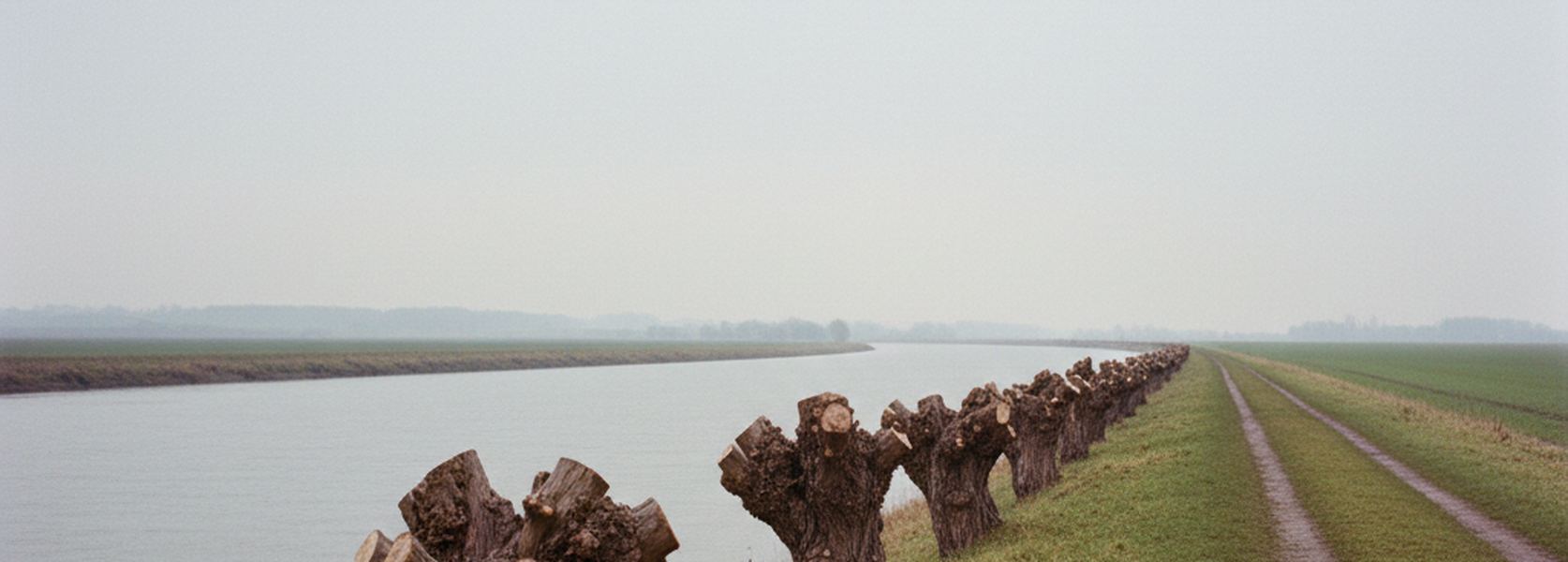
Once the floats are back in the sheds, reserve a week in the Rhineland after carnival
The honest number first, because it is what this catalog is sorted on: you could arrange all of this yourself. The trains, the rooms and the ferry times are all public. You can reserve a week in the Rhineland after carnival without us and it will go fine. Here is the week, and the narrow thing an office is still for.
- Starting figure, per person
$1,890
- Nights
- 7
- beds you will learn
- 2
- Country
- Germany
- How much of this you could arrange without us
- you could arrange all of this yourself
Confirmed as a final figure once the supplier holds the dates. Getting to the country is not included.
- Whatever is agreed comes back to you in writing from the supplier, before any money moves.
- No card is asked for on this site and none is stored: the supplier takes payment on its own terms.
- A request sent through the form is answered in writing within one working day.
You do not need us for this one
Of the four steps this catalog is sorted on, this week sits on the first: you could arrange all of this yourself. Nothing here is held behind a telephone number. The regional trains run to a published timetable, the guesthouses take direct reservations, the car ferries post their winter crossings, and the towns are small enough to hold in your head. If you have put together a week in Europe before, you will put this one together in an evening and a half, and the office is not going to pretend otherwise.
Here is what we would still be doing, stated small. We would hold two rooms in two towns on one thread instead of two, so that moving the second moves the first. We would know, before you build a Thursday around it, which of the riverside dining rooms are shut for their winter break until the middle of March. And when the ferry stops for high water, which it can, you would have one number to call and someone who had already looked at what is left. That is the whole of it. Some weeks in this catalog want an office. This one wants an evening and a notebook.
What the seven days contain
The week starts on Ash Wednesday and runs seven nights. In 2027 that is 10 to 17 February; in 2028 it is 1 to 8 March, because the date follows Easter and moves by three weeks either way. You land on the morning the city is being washed. Cleaning crews are on the Cologne side streets from about six, and the confetti is in bags by noon. The straw figure hung outside the taverns and blamed for everything done during the week, the Nubbel, burned in the small hours before you got there. That evening the brewery houses serve fish, which is what the Rhineland eats on the first day of Lent, and most of them will not take a reservation for it. You stand, or you eat at half past five.
Two of the seven days are city days. Cologne has twelve Romanesque churches, free to walk into, several of them shut from twelve to two; the cathedral tower is 533 steps to a platform at 97 m. One day goes to Bonn, 28 km and about twenty five minutes on a regional train, or to Duesseldorf, 40 km the other way. Two days belong to the gorge. The seventh is the one you do not plan, and in February that tends to mean a long lunch and a map shop.
February ground, and what it does to a plan
The gorge is the part that asks for an early start. Between Bingen and Koblenz the Rhine cuts 65 km through slate, and across that whole stretch there is no bridge; you cross on car ferries that run every fifteen or twenty minutes and stop when the water is too high or the fog too thick. The left bank line sits close enough to the river that you watch the barges from your seat, and Koblenz to Bacharach is just under an hour with no change.
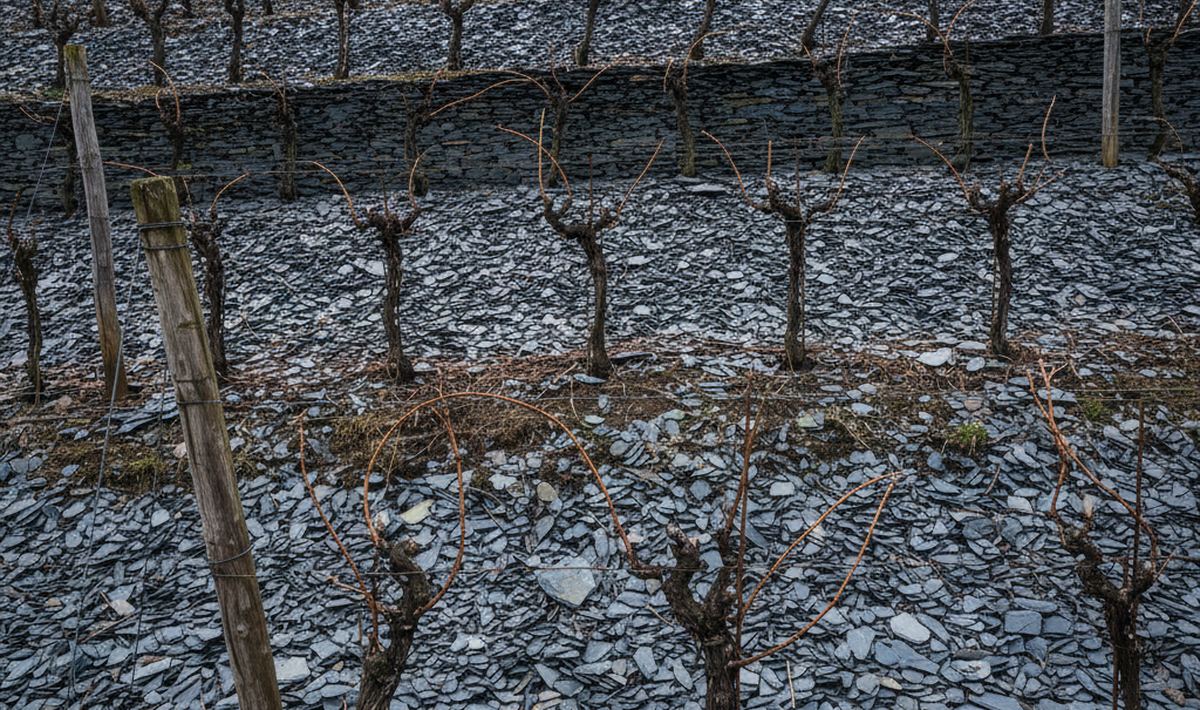
The slopes are terraced at gradients that reach past forty degrees, and in February they are being cut back. That is the sound of the week: shears, and a tractor somewhere below you. The two long paths, one on each bank, stay open through the winter and are slick the whole way; slate holds water, and a wet stair cut into slate is no place for smooth soles.
Weather, plainly. Cologne in February runs about 6 C by day and 1 C at night, with rain on twelve or thirteen days of the month. On 14 February the sun is up at about 07:50 and gone by 17:35, so a gorge day is a nine hour day and you spend the last of it on a train, watching nothing.
What is shut, and when
This is the part a list of thirty two weeks leaves out. From the New Year until about the middle of March a good number of the small guesthouses and dining rooms in the gorge towns close for their winter break, and the ones that stay open often take two days off in the week rather than one. In Bacharach or St. Goar you can walk a whole lane at seven on a Tuesday evening and find one lit window. Museums in Germany close on Mondays as a rule, and several in Cologne keep shorter hours out of season, shutting at four rather than six. The excursion boats that work the gorge in summer do not sail at all in February; their season opens near the end of March, so the river is for crossing and for looking at.
Then the water itself. Late winter is when the Rhine is high. The gauge at Cologne sits near 3 m in an ordinary February, and the embankment walk begins to go under above 6 m; the crossings suspend before shipping does. It happens perhaps one February in three, it is announced a day or two ahead, and it does not wreck the week. What it does is make any day built entirely around one crossing a day you may have to write twice.
The price, the beds, and who it is not for
From $1,890 per person, seven nights, two beds, which means a room in each of the two towns. In practice each is a twin with two mattresses and two separate quilts, which is how rooms are made in this part of Germany. The figure covers the seven nights with breakfast and a regional rail product good for the local trains all week. It does not cover your flights, which are yours to arrange and which this office does not touch, and it does not cover dinners. The ferries are not ours to sell you either: the boats belong to the towns that run them, you pay a couple of euro at the gangway on the day you cross, and whether they are running that morning is a matter between you and the river. The final figure is set when the rooms are actually held, because a February rate confirmed in October is not the rate confirmed in January.
Nothing is paid to Etre Super Travel. The rooms and the rail are held in your name with the people who own them, and their bill is between you and them. Whatever this office earns arrives later and from their side, never from yours, and no card of yours is ever in our hands.
It suits two people who will walk on wet stone in the cold, read a timetable for pleasure, and eat at half past five without complaint. It does not suit anyone who came for the parades, which ended two days before you land, or anyone who needs the weather settled in advance.
Short answers to the usual doubts
Does any of this include getting to the country?
No. Nothing that flies or sails is reserved from this desk, and no carrier has an agreement with it. Your flights are yours: you choose them, you buy them, and if something goes wrong with them it sits between you and whoever sold them. What we do ask for is the arrival airport and the arrival time, because the first day of this week is built backward from it. Land before two in the afternoon and Ash Wednesday still has an evening in it. Land at nine at night and it does not.
We can see the trains and the rooms ourselves. What are we actually paying you for?
Nothing, directly, and on this week possibly nothing at all. You are not billed by this office, and no fee of ours is added to what the rooms charge you. Our end is a commission that reaches us from the supplier after you have traveled, which is exactly why we can afford to tell you that this particular week is one you can assemble yourself in an evening. If you want us anyway, what you get is one thread instead of six and one number to call when something moves.
Can you promise the Rhine will be low and the ferries running?
No, and anyone who does is selling you something they cannot know. The gauge at Cologne sits near 3 m in an ordinary February and the riverside walk starts going under above 6 m; the crossings between Boppard and Bingen suspend before shipping does. What we do instead is build the seven days so that no single one depends on getting across the water, and hold a second version of the gorge day that stays on the left bank. If it rises while you are there, you have a number and someone who has already read the river report.
Is anything open in the gorge towns that week?
Some of it, not all, and the pattern matters more than the count. The bakeries open at six and close at one. The two or three dining rooms in each town that work through the winter usually take a weekday off as well, often Monday or Tuesday, so a place with eight of them behaves like a place with two. Church hours hold through the season, most from ten to five with a break at midday. The summer boats do not run until near the end of March. We send the current closures with the plan, and send them again the week you go, because they change.