Before you reserve a walking week in Europe around one person, settle the distance on foot
Something outside the trip has already fixed this one, and the something is a person. So the question is not where you would like to go. It is whether everybody can manage a long day on foot, because that answer sets the ground, the beds and the help it takes to reserve a walking week in Europe around one person.
Why this gets asked before the country does
Dates can be moved, beds can be swapped and a town can be given up for a valley right up until somebody is paid. Distance on foot cannot, because it is not a preference; it is the shape of the week. A day that ends at a hut two thousand feet up decides where you sleep, what you carry, when you eat and whether a car can reach you if the weather turns. Change the walking and you are not shortening the same week, you are looking at a different one. It also gets answered wrong more often than anything else we ask, and always politely. One person in the party says they will be fine, everybody nods, and the office writes the week around a day that person will spend dreading. So we put it flatly, in front of everyone, at the point where the answer still costs nothing. Not on day one. On day five, in rain, after a short night.
What a yes writes into the week
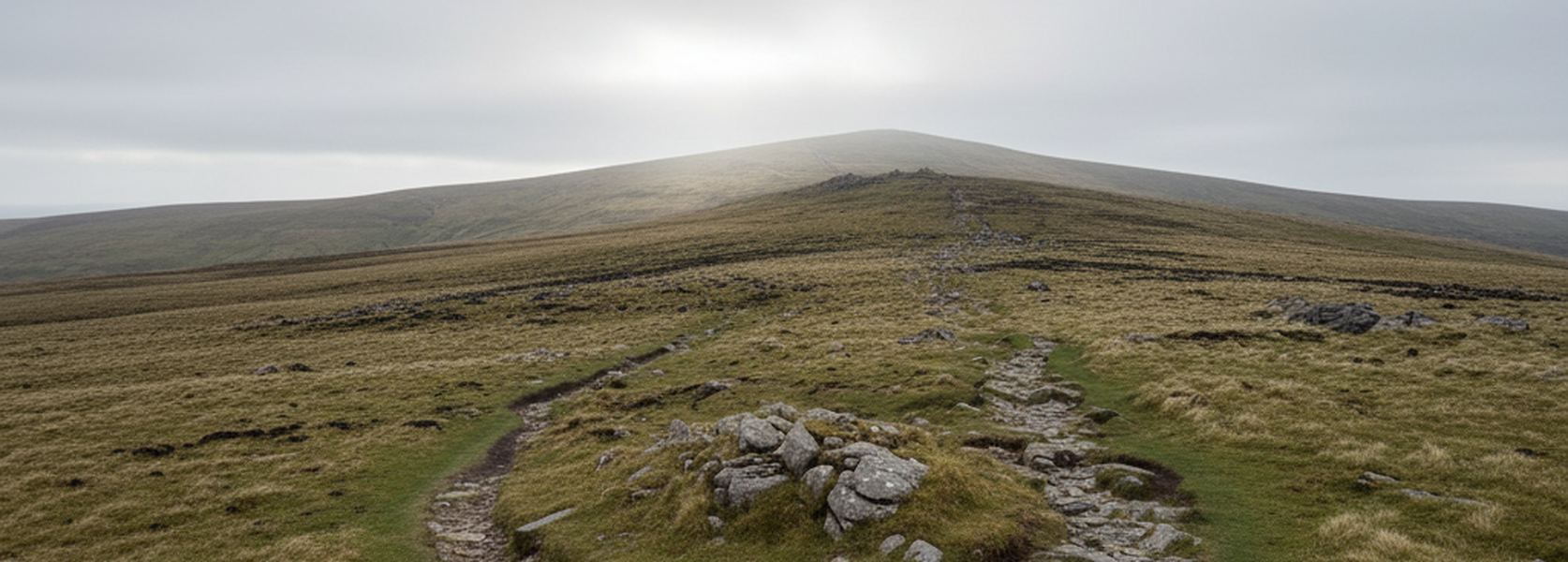
Yes puts the beds where the day ends, and that is most of what it costs you. Mountain places with a road are taken by people arriving in cars; the ones without a road are held by wardens who answer a telephone in the evening and a letter never. So a yes week usually holds three or four beds across nine or ten nights, with your bag moved by road while you walk. It fixes the order of the days, because Tuesday cannot be swapped for Thursday when Tuesday is the only way over the pass. It puts one loose day in the middle for weather, which you may well spend reading in a valley. And it counts ascent rather than miles: eight miles with three thousand feet of climb is a longer day than fourteen along a river. People who choose this door usually know their own legs and misjudge somebody else's. If there are four of you and one has a knee that has been quiet since spring, the honest answer is the other door. Nobody has ever rung us in October to say the walking was too gentle.
What a no writes into it instead
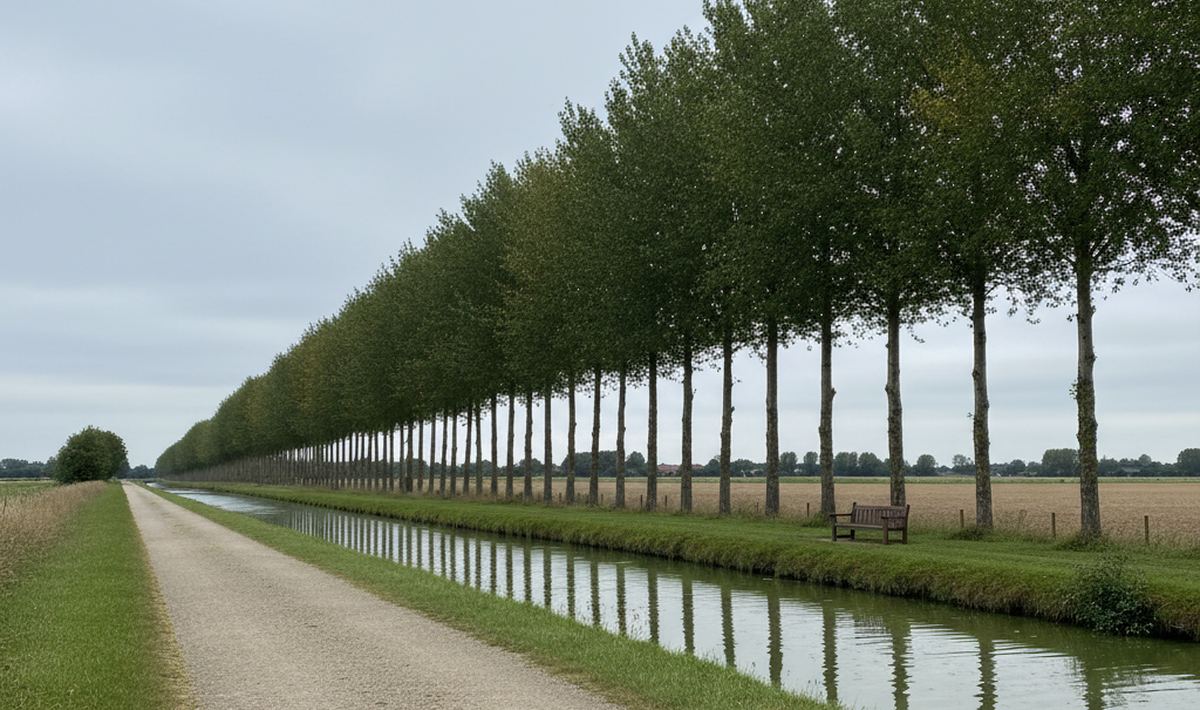
No does not shorten the country, it changes the ground underneath it. Towpaths and lake shores instead of ridges. Market towns where the church, the bakery and a bench sit within three hundred meters of the door. Legs of two or three miles with somewhere to sit at the end of each one. A room reached without stairs, which in a house put up in 1740 is a question of which room and not which town, so it gets asked early and in writing. What changes downstream is how much of the week has to be arranged rather than assumed. Ground floor rooms are held back for people who ask for them by name. A regional bus with a low floor runs on some routes and not others, and the timetable does not say which. A path the tourist office calls level may end in four steps and a gate, which means somebody has to have walked it. All of it is knowable and much of it is published, which is why several weeks behind this door carry a low mark on the scale we print against ourselves: how much of the week you could have put together without us. On two of them the page says outright that you should.
Asked before you commit
Why not simply ask how many miles we can walk?
Because miles do not describe the day. Fourteen along a towpath and eight up loose scree are not the same request, and the second one decides where you sleep. Ascent, surface, heat and what the ground does after rain move the difficulty further than distance does. We ask it as a yes or a no on purpose, because it sends you to four weeks instead of thirty-two. The numbers get settled afterwards in conversation, in feet of climb and in hours, not in a figure typed into a box.
There are three of us and only one of us is the problem. Which door?
The other one. A week built on long days does not turn into a shorter week by walking less of it; the beds sit where the long day ends, the bag goes by road to that same place, and whoever waits below waits in a village with one cafe and a bus at 07:40 and 17:10. Answer for the person with the least left in reserve on the fifth morning, not for the party average. The two of you with legs to spare get long mornings out and back, and everybody is at the same table by six.
Can we change the answer later?
Until a supplier has been paid, yes; after that it depends who is holding the money, and the cancellation terms of each week say so in plain words. The thing worth knowing is that changing this answer rarely edits a week, it usually replaces it. A yes week and a no week can cross the same country and share nothing else, because one is held together by where the walking ends and the other by what can be reached without stairs. Tell us before we go out to suppliers and it costs you an afternoon; tell us in June and it costs deposits.